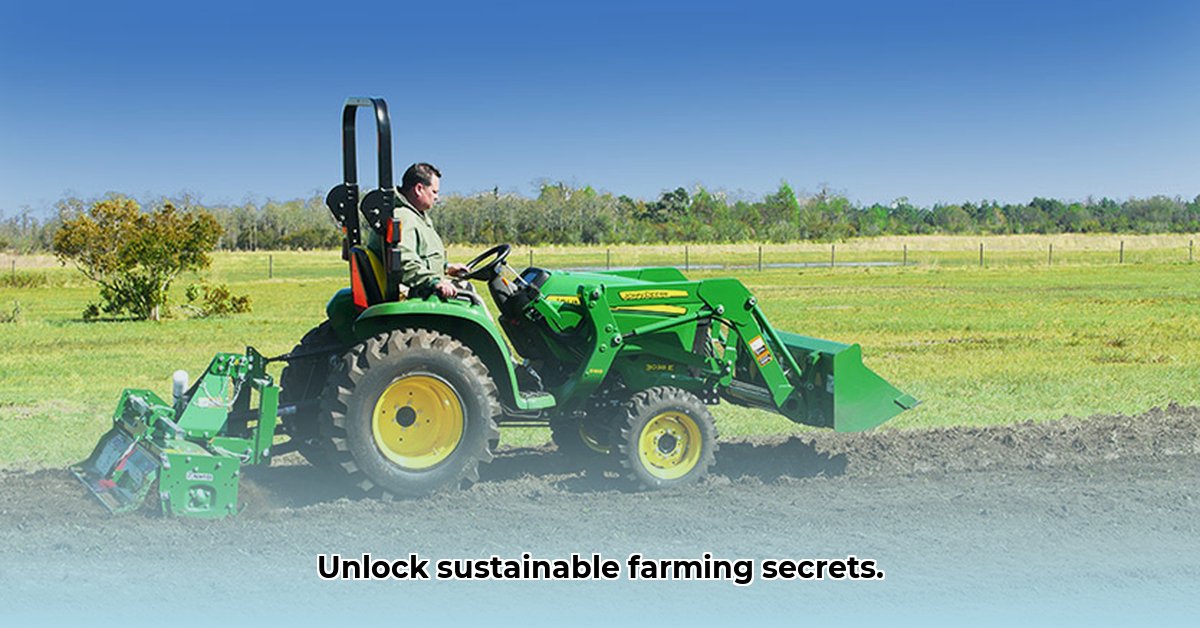
Choosing the Right Tractor Rototiller: A Tailored Approach
Selecting the appropriate rototiller is paramount for efficient and sustainable soil preparation. Consider these key factors: soil type, garden size, and budget. Heavy clay soils necessitate a powerful machine capable of breaking up compacted earth, while lighter sandy soils may benefit from a less robust model. Assess your garden or field's size to determine the necessary tilling capacity. Finally, establish a realistic budget, as rototillers range significantly in price. Careful consideration of these factors ensures you choose a machine perfectly suited to your needs. For more information on tractor rototillers, check out this helpful resource: Tractor Rototillers.
Preparing the Soil: Pre-Tilling Essentials
Before initiating the tilling process, crucial preparatory steps ensure optimal results and minimize soil disturbance. First, remove all debris, including rocks, sticks, and weeds, to avoid damaging the rototiller blades or creating uneven tilling patterns. A thorough soil assessment is essential to determine its condition and moisture level. Compacted or dry soil requires a modified approach, starting at a shallower depth to avoid undue stress on the soil structure and the machine.
Mastering Tractor Rototilling Techniques: A Step-by-Step Guide
This section outlines essential rototilling techniques for achieving optimal soil preparation while minimizing environmental impact.
Depth Control: Begin with a shallower depth, especially in heavy clay soils, gradually increasing depth as needed. Overly deep tilling can lead to soil compaction and damage, negating the benefits of tilling. A moderate depth, generally 4-6 inches is typically recommended, but adjust based on your soil type.
Speed Management: Maintain a consistent, moderate speed to avoid leaving large clods of soil or wasting fuel. Too fast, and the tilling is inefficient; too slow, and it becomes unnecessarily time-consuming. Experiment to find the sweet spot for your soil and machine.
Pass Patterns: Overlap each pass by approximately one-third to ensure complete coverage and uniform soil preparation. Varying pass patterns, such as grid or crisscross, can further enhance evenness and minimize rutting.
Soil-Specific Adjustments: Adapt your technique to your soil type. Loamy soils typically respond well to slightly deeper tilling, while sandy soils may benefit from shallower tilling to minimize moisture loss.
Post-Tilling Soil Care: Maintaining Soil Health
Post-tilling, it's vital to nurture your newly tilled land. Water the soil regularly, particularly if it's dry, to prevent cracking and promote beneficial microbial activity. Adding organic matter, such as compost, helps improve soil structure and water retention. This step is crucial for ensuring the long-term health and productivity of your soil.
Tractor Rototiller Maintenance: Extending Equipment Lifespan
Regular maintenance is essential for extending the life of your rototiller. Check oil levels before and after each use and sharpen the blades regularly to maintain efficiency. Thoroughly clean the machine after each use to remove debris and prevent corrosion. These simple steps ensure optimal performance and minimize the risk of unexpected breakdowns.
The Environmental Impacts of Rototilling: A Sustainable Mindset
While rototilling offers numerous advantages, its environmental impact demands careful consideration.
Soil Health: Deep and frequent tilling can negatively affect soil structure and microbial life, impacting soil health and fertility. No-till and reduced-till methods offer viable, more sustainable alternatives. "Repeated deep tillage can disrupt soil structure, reducing beneficial microbial activity and organic matter," says Dr. Emily Carter, Soil Scientist at the University of California, Davis.
Erosion Control: Minimize erosion by tilling downhill, leaving crop residues on the land as a natural mulch, and avoiding tilling on steep slopes. These practices help hold the soil in place and reduce water runoff.
Energy Efficiency: Opt for fuel-efficient rototillers and optimize tilling practices to minimize energy consumption and reduce your carbon footprint. “Choosing a fuel-efficient model can significantly reduce your environmental impact,” notes Mark Johnson, Agricultural Engineer at the USDA.
Sustainable Alternatives to Rototilling: Exploring Eco-Friendly Practices
Rototilling isn't always the most sustainable option. Consider these alternatives:
No-till Farming: This method minimizes soil disturbance by planting directly into the previous year's crop residue, preserving soil structure and enhancing biodiversity.
Reduced-till Farming: This approach reduces soil disturbance while still allowing occasional tilling to address specific needs, striking a balance between soil health and practicality.
Weighing the Pros and Cons: A Balanced Perspective
This table summarizes the key advantages and disadvantages of tractor rototilling, helping you make an informed decision about its suitability for your farming practices. Remember, responsible use and consideration of alternatives are vital for sustainable agriculture.
| Aspect | Advantages | Disadvantages |
|---|---|---|
| Soil Preparation | Efficient weed control; creates ideal seedbeds | Potential for soil compaction; disrupts soil structure; erosion risk |
| Environmental Impact | Improved water infiltration (short-term); faster planting | Increased carbon emissions (depending on machine and practices); potential loss of beneficial microbes |
| Time and Efficiency | Quickly tills large areas | Requires investment; fuel consumption |
By thoughtfully incorporating these guidelines, you can effectively utilize tractor rototilling as a tool for sustainable and productive farming practices. Remember, responsible use coupled with a consideration of alternative approaches ensures a healthy balance between productivity and environmental stewardship.